Crosswind Component Calculator
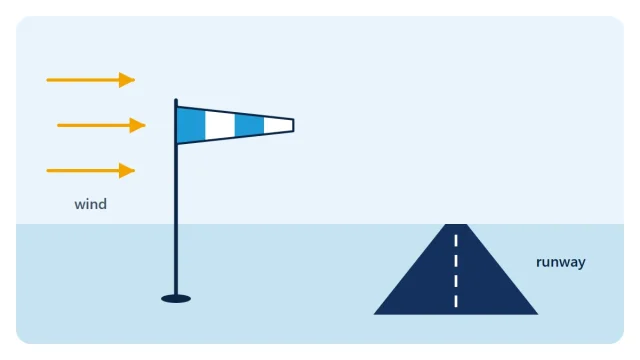
Split a reported wind into crosswind and headwind components for a runway heading.
Wind Calculations
Thirty free calculators for speed, wind, altitude, fuel and aerodynamics, each with its formula, a worked example and a plain-language guide. Built for learning how the numbers work.
AviationCalc is a set of browser-based calculators for the arithmetic behind flying: wind triangles, airspeed conversions, the standard atmosphere, fuel sums, climb gradients and the basic force equations. Every page shows the formula it uses, works an example step by step and says plainly what the formula leaves out.
No calculator matches that filter. Try a shorter word, or browse the categories below.
Split a reported wind into crosswind and headwind components for a runway heading.
Wind Calculations
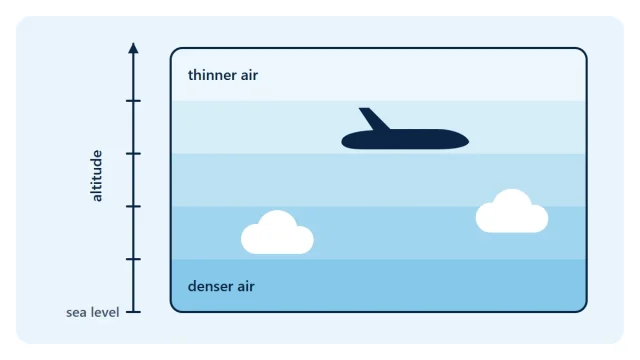
Density altitude from field elevation, altimeter setting and outside air temperature (dry air).
Atmosphere and Altitude
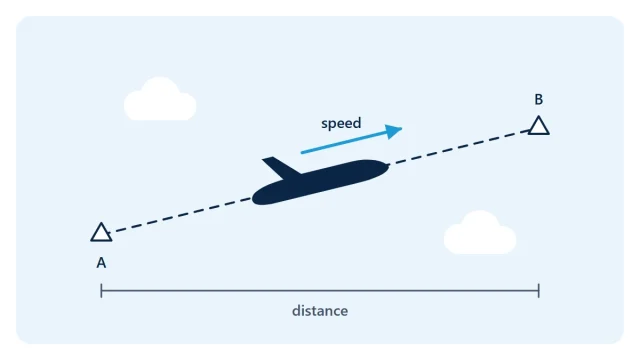
Convert calibrated airspeed to true airspeed from pressure altitude and outside air temperature.
Flight Speed and Distance
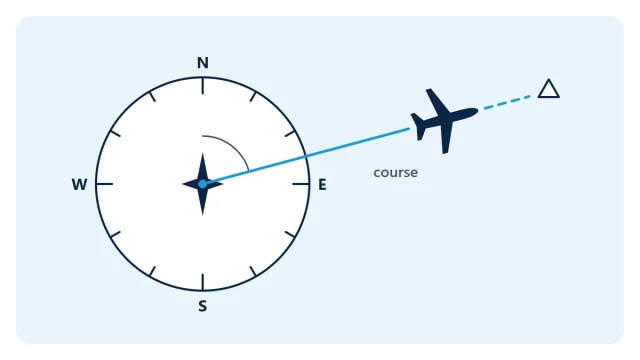
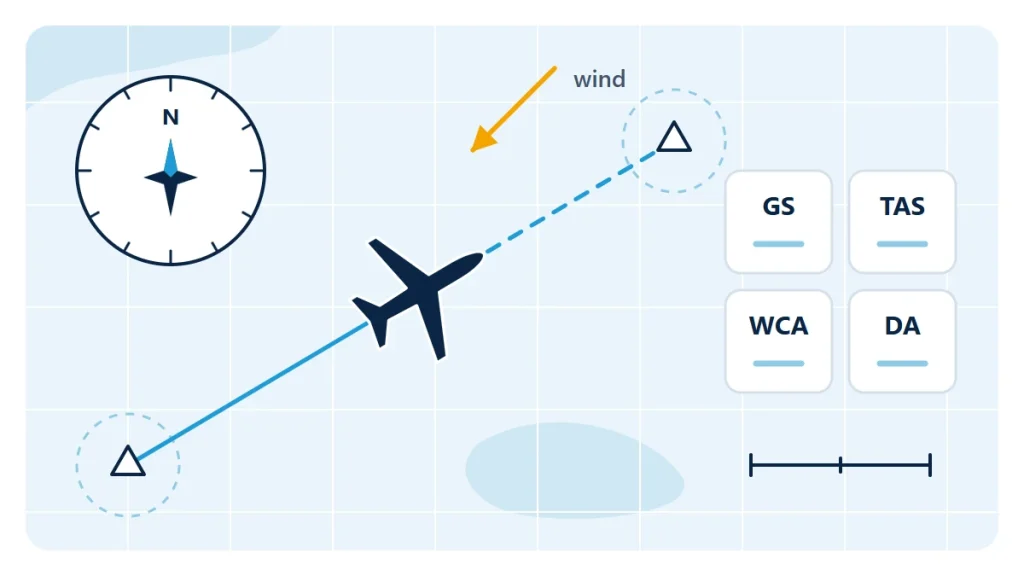
Wind correction angle, true heading and ground speed for a course and wind.
Aviation Navigation
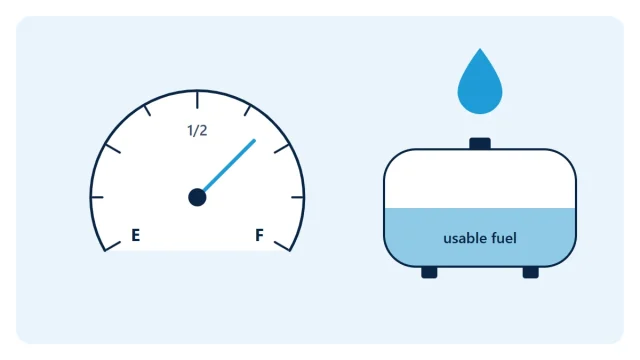
How long a quantity of usable fuel lasts at a constant fuel flow.
Aviation Fuel Mathematics
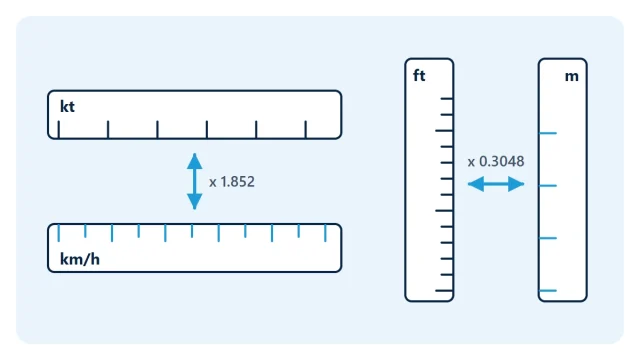
Convert the speed, distance, altitude, mass, volume, pressure and temperature units used in aviation.
Aviation Units and Conversions
Aviation Navigation
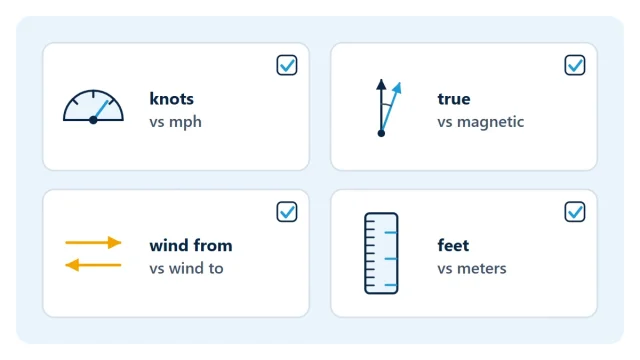
Unit mix-ups, true versus magnetic, wind from versus to, and airspeed used as ground speed: the common errors, with the size of each shown.
Aerodynamics
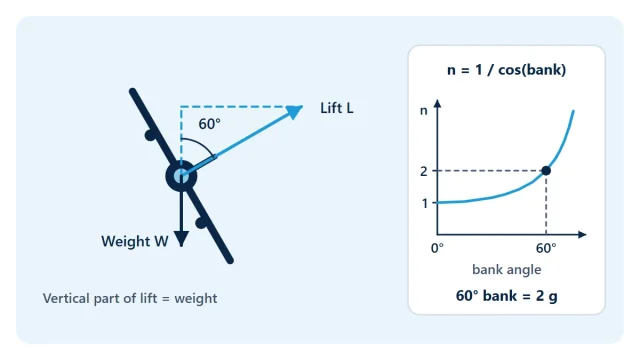
Load factor is lift divided by weight. In a level turn it equals 1 ÷ cos(bank), and stall speed rises with its square root.
Aerodynamics
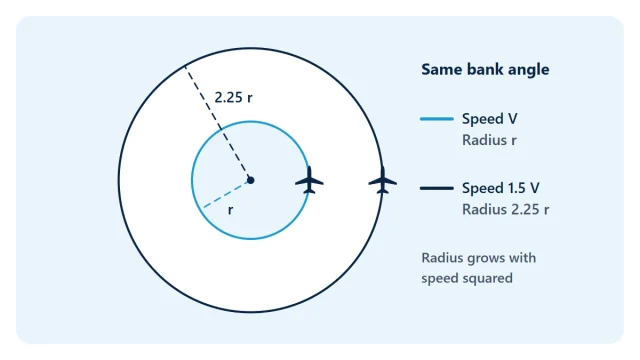
Turn radius depends only on true airspeed and bank angle. See why doubling the speed quadruples the radius and what steeper bank costs.
Aircraft Performance Concepts
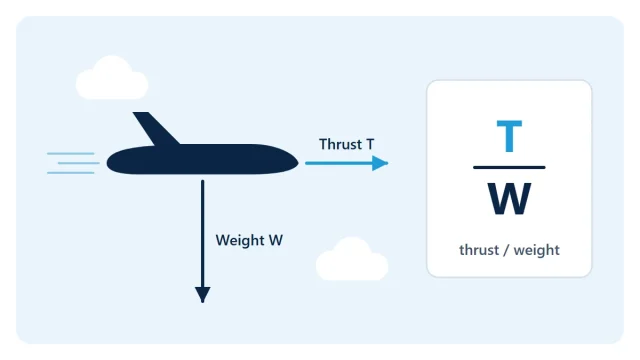
Thrust-to-weight ratio is a dimensionless comparison of two forces, and it changes throughout a flight as thrust varies and fuel burns off.
Aerodynamics
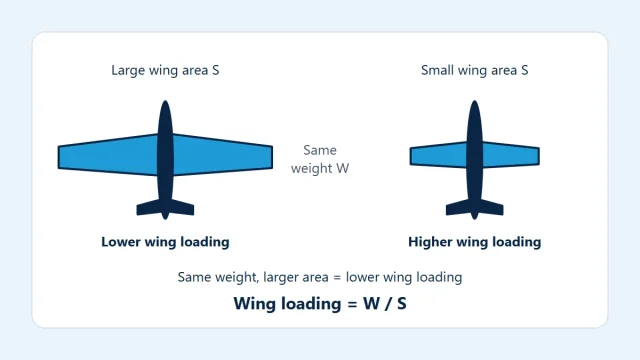
Wing loading is aircraft weight divided by wing area. Learn how that one ratio shapes stall speed, turning ability and the ride in rough air.
Aerodynamics
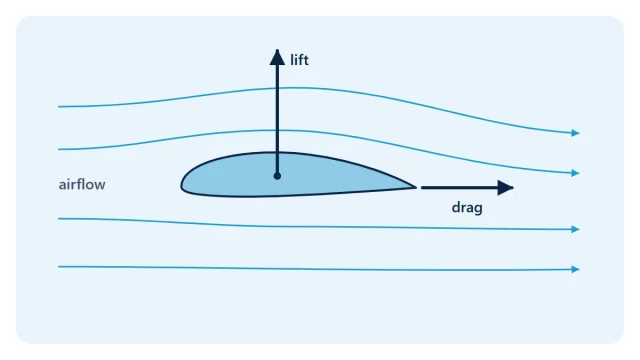
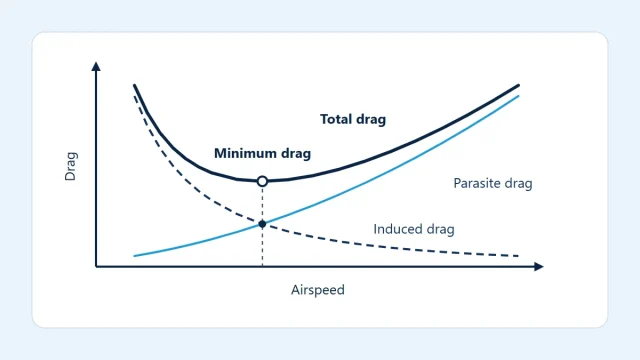
Parasite drag rises with the square of speed and induced drag falls with it. See how the two add up to a total drag curve with a minimum.
Pick the units you have. Each field is checked, and anything missing or out of range is explained beside the field. Aircraft-specific numbers are always yours to supply; the site does not guess them.
The calculation runs in your browser, so nothing you type is sent to us. Open "Show the working" to follow each step with your numbers substituted into the formula.
Every calculator lists its formula, variables, assumptions and common mistakes, and links to a guide that explains the idea in plain language with public references.
The formulas are standard textbook relationships, the unit factors are the exact international definitions, and every calculator is checked by automated tests against hand-worked values and a second, independently written implementation.
That makes the arithmetic dependable. It does not make the site a flight-planning tool. The models are simplified, the real atmosphere is not the standard atmosphere, and nothing here knows your aircraft.
AviationCalc provides educational calculations only. Results are not certified for operational flight planning or aircraft performance decisions. Always consult approved aircraft documentation and official aviation information before flight operations.